Safeguards as Budget Lines
Digital public infrastructure is horizontal by design. A national instant payment switch, a government e-services platform or a sector information system serves many institutions at once, and the safeguards that make these systems trustworthy span institutions too. Yet public financial management systems still largely assess technology as single-agency projects covering development, hardware, hosting and a fixed implementation period. Safeguards as Budget Lines, BrightCore Policy Brief No. 1, argues that this mismatch is why safeguards so often fail. Functions that cross institutional boundaries, or only become visible once a system is running, are left out of the original investment case. They are then absorbed informally by the platform operator, covered by short-term donor funding, or left under-resourced.
Drawing on advisory and implementation work on Rwandan initiatives including eKash, IremboGov and IremboPay, the Agriculture Management Information System and the national DPI sandbox, the brief identifies four recurring patterns. Shared rails create shared obligations: when disputes involve paying and receiving institutions, the switch operator and the regulator, each tends to fund only its own segment, and citizens fall into the gaps. Onboarding new participants is a permanent operating function, not a launch activity. The coordination staff who hold a horizontal platform together are the most commonly unfunded item. And for sector data platforms, consent, data minimisation and access logging are far cheaper to build in at design time than to retrofit.
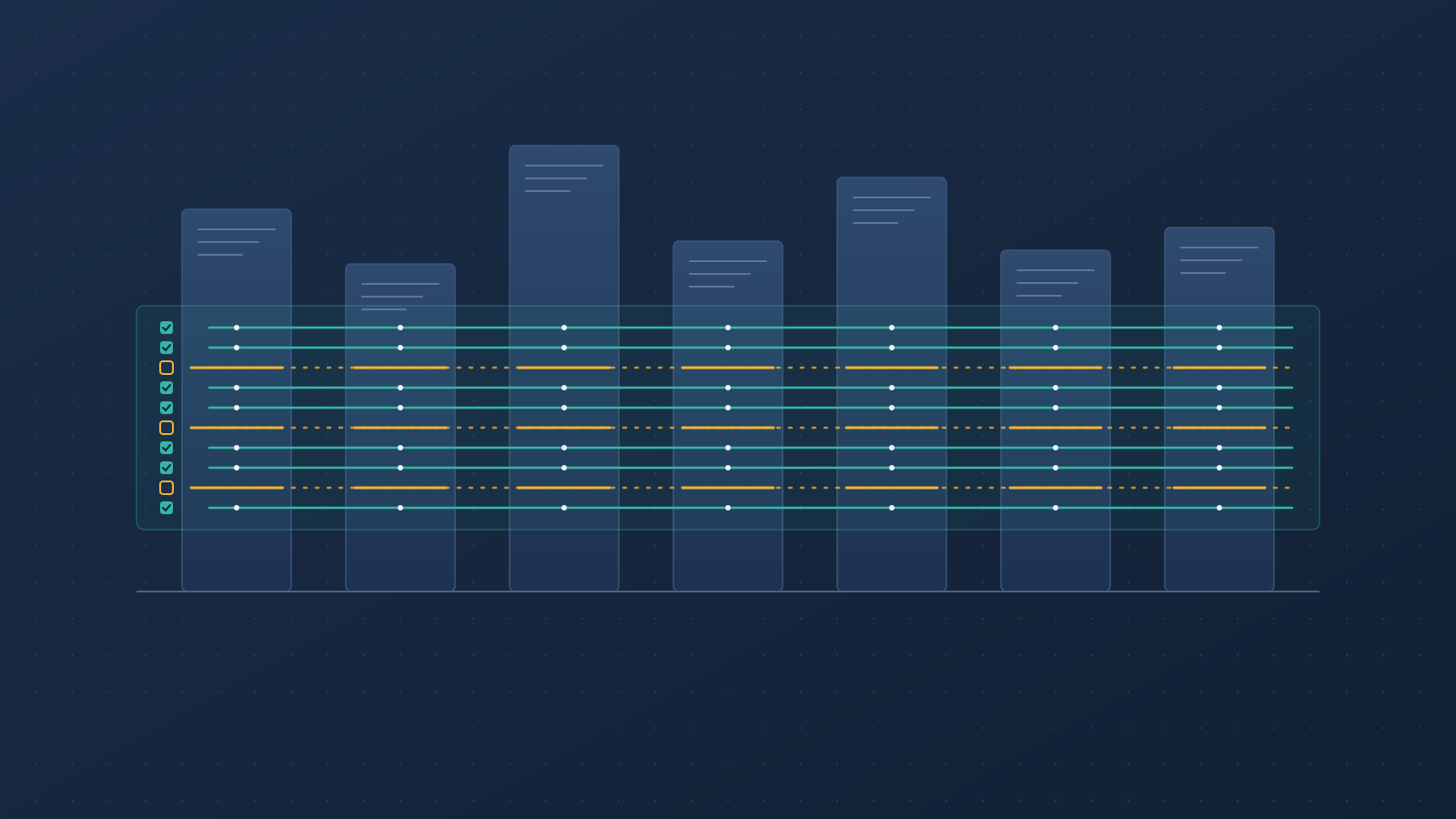
At the heart of the brief is a practical safeguards cost checklist for investment planning and project preparation. It lists ten cost items, including participatory design, legal and regulatory review, a cross-institution coordination unit, sandbox and conformance testing, multi-party grievance handling, security operations, independent audit, public education, disaggregated monitoring, and exit and vendor-transition provisions. Each is mapped to a lifecycle stage, a Capex or Opex classification, a typical owner and the consequences of leaving it out. The checklist does not prescribe amounts. Its purpose is to ensure every item is either costed and assigned or consciously excluded with a stated reason.
The brief then compares three models for sharing horizontal costs: central allocation, usage-based recovery and a hybrid approach. It recommends the hybrid model for platforms that aim to include community finance institutions and small agencies, with core safeguards and coordination funded centrally and incremental costs recovered by usage at tiered or waived rates for small participants. Crucially, the cost-sharing formula should be agreed before go-live and written into participation agreements. The brief closes with targeted recommendations for ministries of finance and planning, ICT authorities and platform operators, regulators, and development partners, including five-year total cost of ownership assessments, standing budget lines for coordination functions, and planned transitions from donor to sovereign funding.
More Information can be found on the file attached.